Modern Polish Cuisine in Wroclaw
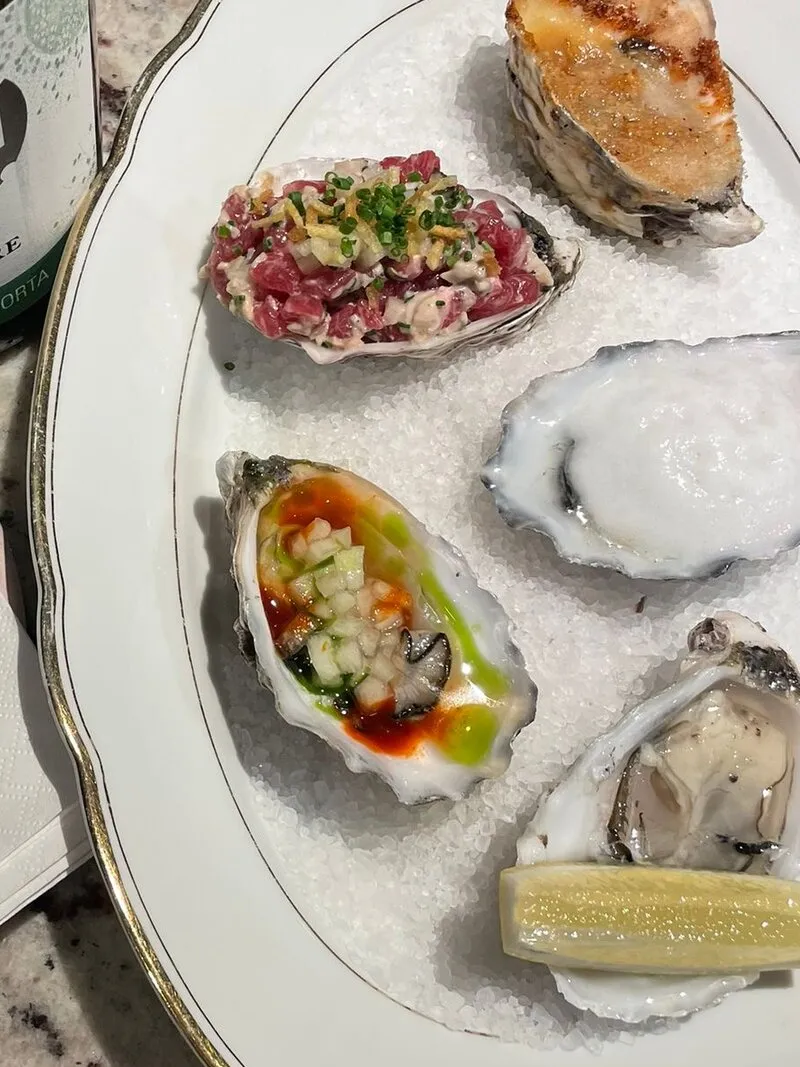
Polish food has a reputation — and not always a good one. Heavy, meaty, starchy. But Wroclaw's new generation of chefs is rewriting the narrative. They're taking the ingredients and techniques of traditional Polish cooking and applying modern gastronomy's precision and creativity. The result is something entirely new: Polish food that surprises, delights, and earns Michelin recognition.
The Movement
Modern Polish cuisine isn't about rejecting tradition — it's about evolving it. These chefs grew up on their grandmothers' cooking, but trained in Copenhagen, Paris, and London. They understand fermentation from both sides: the village cellar and the Noma lab.
The key techniques you'll see:
- Fermentation: Using traditional Polish methods (kiszenie) to create new flavors
- Foraging: Incorporating wild herbs, mushrooms, and berries from Polish forests
- Nose-to-tail: Respecting the whole animal, a tradition Polish cuisine never lost
- Local sourcing: Building relationships with small Polish farmers and producers
The Restaurants Leading the Way
Pijalni Wino & Bistro
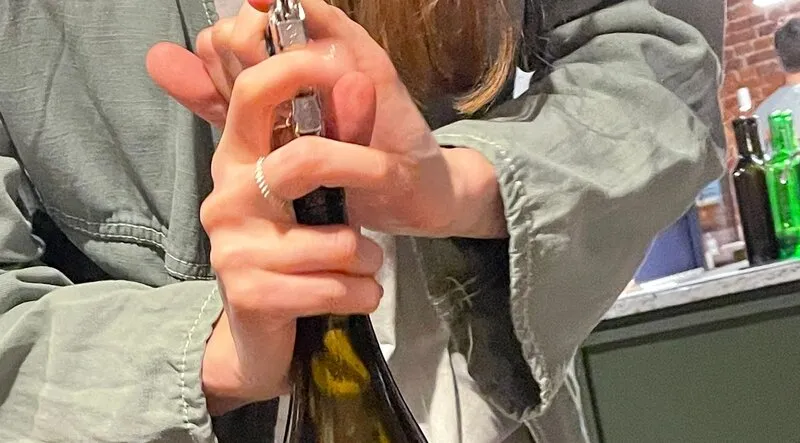
A Bib Gourmand in the MICHELIN Guide Poland 2026 confirmed what locals had figured out already: this kitchen's seasonal, fire-based cooking with local products punches far above its prices.
IDA Kuchnia i Wino
Bib Gourmand 2025. Chef Małgorzata Karkocha-Jakubowska trained at Clare Smyth's three-Michelin-starred Core in London, then came home to cook the food of the Wroclaw and Ślęża regions. Modernized kopytka, pierogi, żurek, herring — the kind of careful technique that makes familiar dishes feel new without losing what made them good in the first place.
TARASOWA
Bib Gourmand 2025. Seasonal cooking built around local sourcing — Złotnicka pork, Zielenica trout roe, and whatever the kitchen finds best that week. The terrace near Centennial Hall with Multimedia Fountain views is one of Wroclaw's best spots for a long summer lunch.
Key Ingredients of Modern Polish Cooking
These are the flavors you'll encounter again and again:
- Fermented vegetables: Sauerkraut, pickled cucumbers, fermented beets — used as bases, garnishes, and flavor enhancers
- Wild mushrooms: Borowik (porcini), kurka (chanterelle), and dozens of varieties most foreigners have never heard of
- Game meats: Venison, wild boar, duck — reflecting Poland's hunting tradition
- Smoked products: Smoked meats, cheeses, and even smoked butter
- Horseradish: Used fresh, fermented, and as foam — Poland's answer to wasabi
- Dill and marjoram: The herbs that define Polish flavor
The Pierogi Evolution
No discussion of Polish food is complete without pierogi. The modern take? Still dumplings, but with fillings that surprise:
- IDA: Regional-style pierogi with seasonal fillings from the Ślęża region
- BABA: Comfort-food interpretations with a modern Polish twist
- Pijalni: Fermented cabbage with black truffle
These aren't your tourist-restaurant pierogi. They're thoughtful, precise, and genuinely delicious.
What to Drink
Wroclaw's modern restaurants have embraced natural wine — you'll find thoughtful selections at most venues on this list. Several offer by-the-glass programs that let you explore without committing to a full bottle, including Pijalni's impressive Coravin selection. Expect Polish natural wines, Georgian amber wines, and Central European producers you've never heard of.
Frequently Asked Questions
Is modern Polish cuisine expensive?
It can be. Tasting menus at top restaurants run 150-350 PLN. But you're paying for exceptional ingredients, skilled labor, and creativity. For a more affordable entry point, try lunch menus or à la carte options.
Will I like it if I don't like traditional Polish food?
Probably yes. Modern Polish cuisine is lighter, more vegetable-focused, and more creative than traditional cooking. Even if you've had bad experiences with heavy pierogi and greasy pork, give these restaurants a try.
Are vegetarian options available?
Most restaurants on this list offer compelling vegetarian options, with some offering full vegetarian tasting menus. Modern Polish cuisine has embraced vegetables in a way traditional cooking never did.
How far ahead should I book?
For weekend dinners at Wroclaw's top tables, book 2-3 weeks ahead. Weeknights are easier — a week is usually sufficient.
Related Guides
- Silesian Cuisine — The traditional dishes that inspire modern cooking
- Natural Wine in Wroclaw — What to drink with modern Polish food
- Best Restaurants in Wroclaw — Our complete restaurant guide